Process
Roof Installation North Miami: Shingle vs Tile vs Metal
Choosing a new roof in North Miami? Compare shingle, tile, and metal for wind, heat, and salt air. Read the guide, then book your roof estimate.
Roof Installation in North Miami: How to Choose Materials for Wind, Heat, and Salt Air
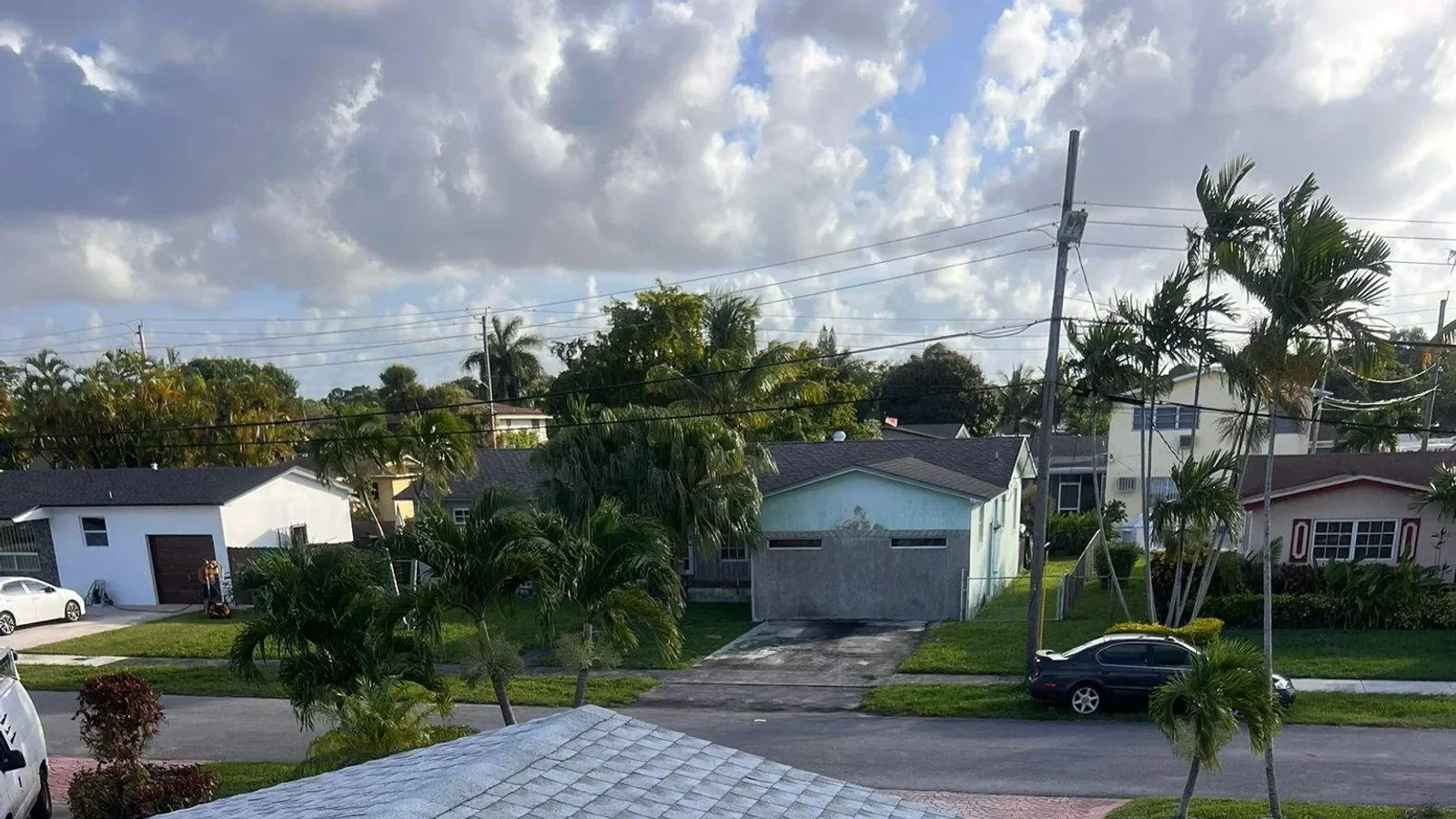
A roof in North Miami works harder than almost any roof in the country. It takes direct sun most of the year, rides out tropical storms, and breathes salty air off Biscayne Bay. So the material you pick matters. This guide to roof installation in North Miami compares shingle, tile, and metal in plain terms, explains what local building rules mean for your project, and shows you how to judge a roofing contractor before anyone climbs a ladder.
Why roof installation in North Miami is its own animal
Most roofing advice online is written for places with snow, not hurricanes. That's a problem. A material that performs well in Ohio can struggle here, and the reverse is true too.
Miami-Dade sits in the High-Velocity Hurricane Zone
The Florida Building Code designates Miami-Dade and Broward counties as a High-Velocity Hurricane Zone, often shortened to HVHZ. In practice, that means roofing products and installation methods face stricter testing and documentation than in much of the state. Many products used here carry a Miami-Dade Notice of Acceptance (NOA), which shows the product was evaluated for local conditions. Exact requirements can change and vary by project, so your contractor and the local building department are the final word on what applies to your home.
Heat is a slow, constant stress
Wind gets the headlines. Heat does quieter damage. Long, hot days cause roofing materials to expand and contract, dry out sealants, and push heat into the attic. A good material choice for South Florida handles that daily cycle without curling, cracking, or loosening fasteners.
Coastal air changes the hardware conversation
Salt in the air speeds up corrosion. Fasteners, flashing, drip edge, and metal panels all need to be chosen with that in mind. Homes closer to the water feel this most, but salt air reaches well inland on a breezy day.
The three main Miami roof materials, side by side
Nearly every residential project we see in the area comes down to three families: asphalt shingle, tile (concrete or clay), and metal. Flat and low-slope sections are a separate topic we'll touch on later. Here's how the main three compare on the factors that matter most locally.
| Factor | Asphalt Shingle | Concrete / Clay Tile | Metal (Standing Seam) |
|---|---|---|---|
| Wind performance | Good when HVHZ-rated products and fastening patterns are used | Strong when properly attached with approved adhesive or mechanical systems | Strong; concealed-fastener panels resist uplift well |
| Heat handling | Absorbs heat; lighter colors and reflective granules help | Mass and air space under tile slow heat transfer | Reflects sunlight well, especially with light or reflective coatings |
| Salt air resistance | Shingles fine; metal flashing and nails are the weak point | Tile itself resists corrosion; fasteners and flashing still matter | Depends on alloy and coating; aluminum is common near the coast |
| Weight | Light | Heavy; structure must support it | Light |
| Look | Classic, wide color range | Traditional South Florida and Mediterranean style | Clean, modern lines |
| Maintenance | Periodic checks for lifted or missing tabs | Check for cracked or slipped tiles; underlayment is key | Check sealants, fasteners, and coating condition |
No single row wins outright. The right pick depends on your house, your budget priorities, and how close you live to salt water.
Asphalt shingles: the practical choice, done right
Shingles get underestimated here. That's a mistake. A shingle roof installed to HVHZ standards with the correct underlayment and fastening pattern can stand up to South Florida weather well.
Where shingles shine
Shingles are light, so they work on homes that weren't framed for heavy tile. Installation is usually faster than tile, which shortens the window your home is exposed during the project. Repairs are straightforward when a few tabs lift after a storm.
What to watch for
Heat ages asphalt. Darker shingles absorb more sun and push more heat into the attic, so many homeowners lean toward lighter colors. Attic ventilation also plays a big role in how long shingles last and how hot the upstairs feels.
Details that make or break a shingle roof
- Fastening pattern: HVHZ installations typically call for more nails per shingle than inland areas.
- Starter strips and edges: wind usually attacks the eaves and rakes first, so these need proper sealing.
- Underlayment: the layer beneath the shingles is your backup if the surface gets damaged.
- Corrosion-resistant metal: drip edge and flashing should suit coastal air.
Tile roof installation in Miami: heavy, handsome, and demanding
Drive through older North Miami neighborhoods and tile is everywhere. It suits the climate and the architecture. It also asks more of the installer than any other option.
Concrete vs. clay
Concrete tile is the more common choice locally and comes in many profiles and colors. Clay tile has a traditional look and holds color well over time. Both are heavy, and both resist sun and salt far better than the fasteners and flashing around them.
Why the underlayment matters more than the tile
Here's the part many people miss. Tile is not the waterproof layer. The underlayment underneath does that job, and tile mostly shields it from sun and debris. When a tile roof leaks, the cause is often aged underlayment or poorly detailed flashing, not broken tile. That's why careful underlayment installation is the heart of any tile project.
Attachment and structure
In a high-wind zone, every tile must be secured with an approved method, commonly foam adhesive or mechanical fasteners, depending on the system. Before switching from shingle to tile, the roof structure needs to be evaluated for the added weight. A professional roof inspection is a smart first step if you're considering that switch.
Metal roofing: the one people think is loud (it usually isn't)
The most common worry about metal is rain noise. With solid decking and underlayment beneath it, a modern metal roof is typically much quieter than people expect. The real questions are coating, alloy, and attachment.
Standing seam vs. exposed fastener
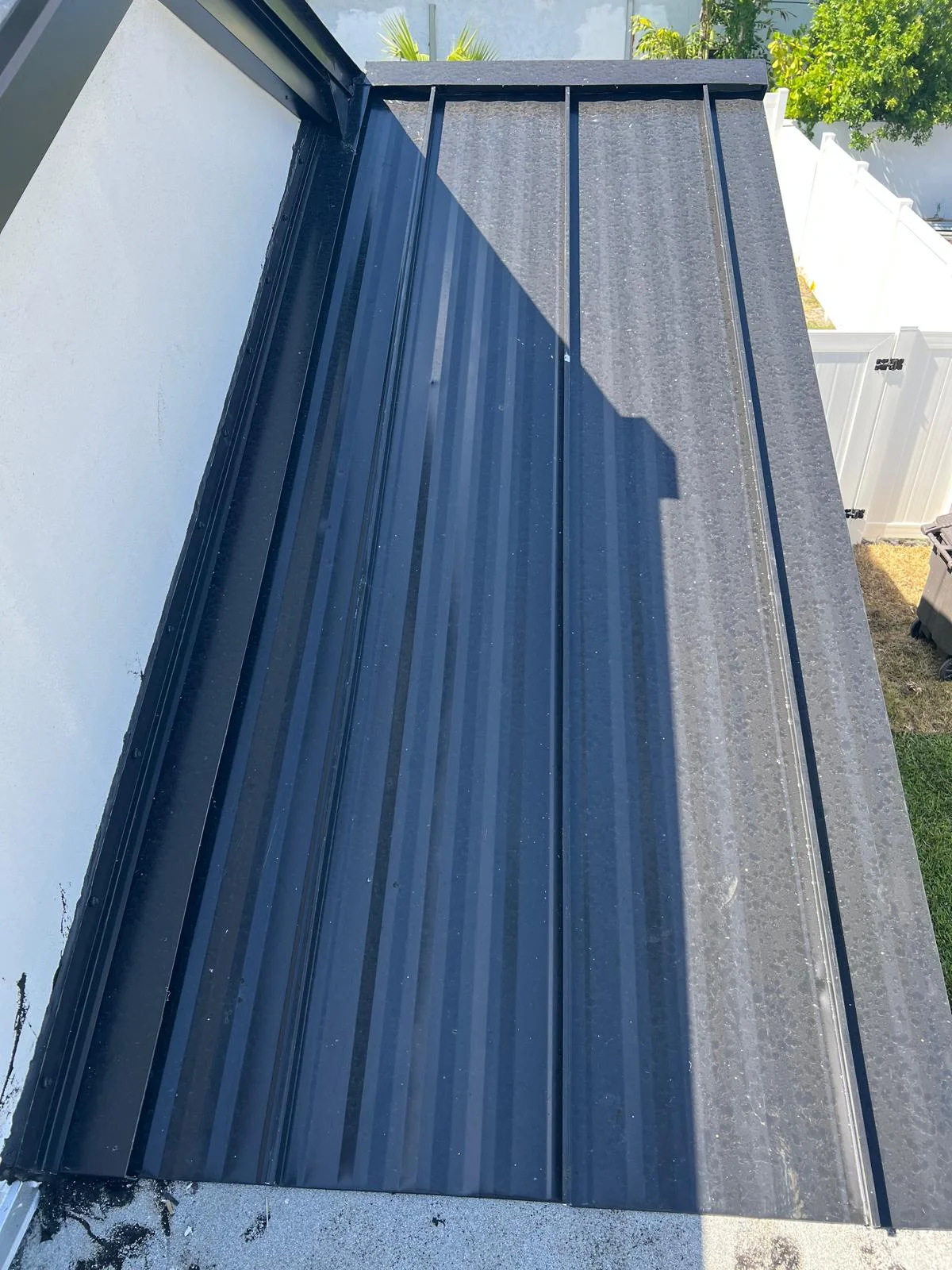
Standing seam panels hide their fasteners under raised seams. That design limits places for water to enter and holds up well against uplift. Exposed-fastener panels cost less to produce but rely on washers that can wear over time, which is a real concern in strong sun.
Picking metal for salt air
Not all metal behaves the same near the coast. Aluminum is popular for waterfront and near-water homes because it resists corrosion well. Coated steel can work further inland when the coating is suited to the environment. Ask which alloy and finish is proposed, and why.
Heat performance
Light-colored and reflective metal finishes bounce a lot of sunlight away. Many homeowners notice the upstairs feels a bit less stuffy afterward, though results depend on insulation and ventilation too.
How to choose: match the material to your house
Forget asking which material is best. Ask which one fits your home. These questions narrow it down fast.
Five questions to answer before you decide
- How close are you to the water? Closer means more attention to corrosion-resistant metal and fasteners.
- What is the current roof structure built for? Moving from shingle to tile requires a structural check.
- How long do you plan to stay? Longer stays tend to favor tile or metal; shorter horizons often favor shingle.
- Do you have HOA or neighborhood style rules? Some communities limit materials or colors.
- Does the roof have flat or low-slope sections? Those areas need a separate low-slope system no matter what goes on the pitched roof.
A note on flat and low-slope sections
Many North Miami homes mix a pitched main roof with a flat porch, carport, or addition. Shingle, tile, and standing seam aren't designed for very low slopes. Those areas need their own membrane or low-slope system and good drainage. Treat them as part of the plan, not an afterthought.
Don't forget the gutters
Heavy summer downpours dump a lot of water fast. Properly sized gutters keep that water away from fascia, walls, and foundations. If yours are tired, it can make sense to address gutter installation alongside the new roof.
What a solid roof installation process looks like
A new roof is a construction project, not a quick swap. Knowing the usual steps helps you spot a careful roofing contractor.
Before the work starts
- An on-site inspection of the existing roof, decking, and attic.
- A clear written scope naming the material, underlayment, and attachment method.
- Permitting through the appropriate building department. Requirements vary, so your contractor should handle the specifics for your address.
During installation
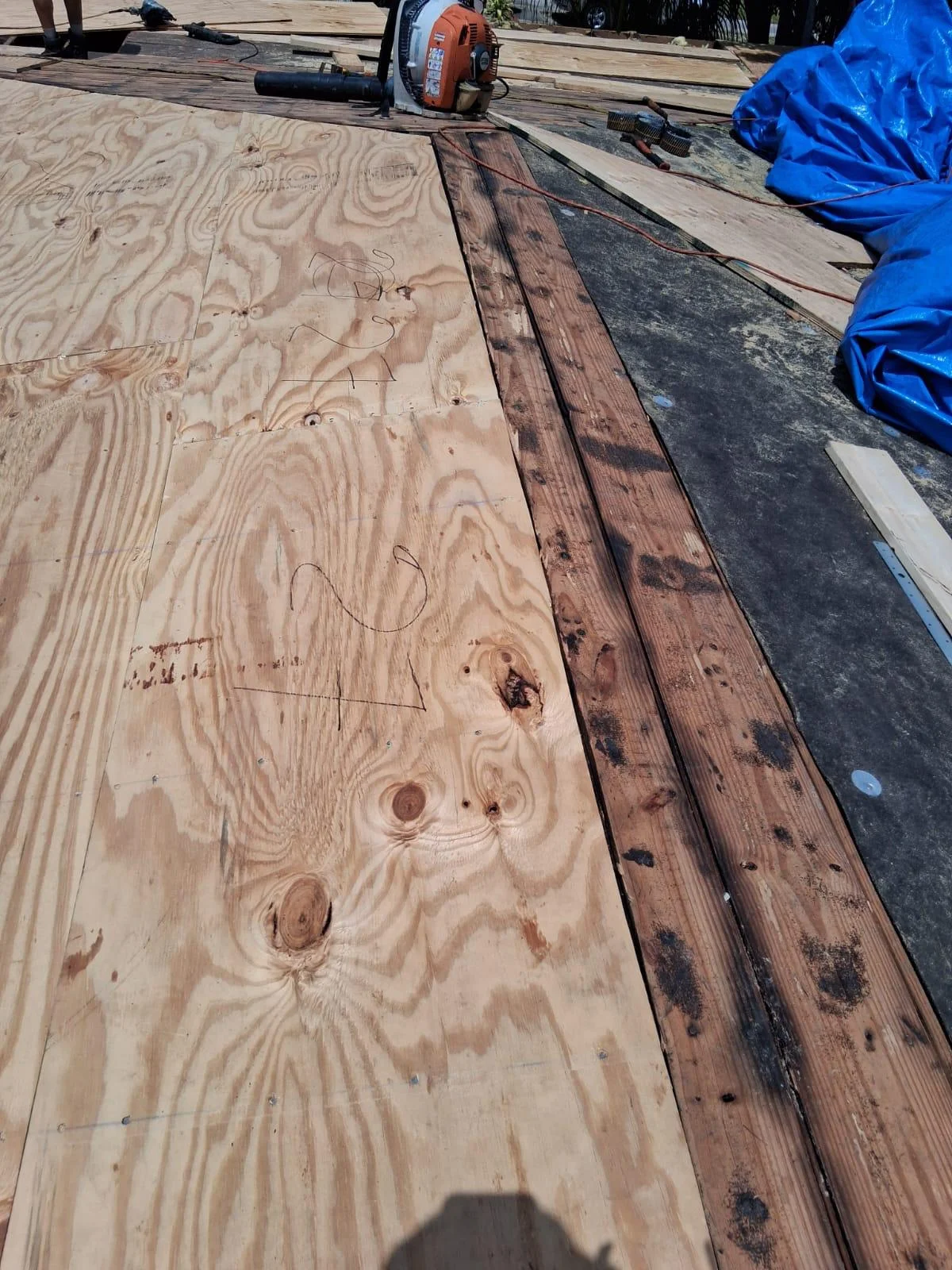
The old roof comes off down to the deck. Damaged decking gets replaced. Underlayment, flashing, and the new roofing go on, followed by inspections at the stages the permit requires. Timelines depend on roof size, material, weather, and inspection scheduling. Tile generally takes longer than shingle or metal.
After the crew leaves
Expect cleanup of nails and debris, a final inspection, and paperwork covering the materials used and any manufacturer warranty. Keep those documents. They're useful for insurance and for future repairs.
Choosing a roofing contractor in North Miami
Material matters. Workmanship matters more. A premium tile installed carelessly will underperform a modest shingle installed with care.
What to ask
- Are you licensed and insured in Florida?
- Which specific product and NOA are you proposing?
- How will you handle underlayment, flashing, and edges?
- Who pulls the permit and schedules inspections?
- What warranty covers workmanship, and what covers materials?
How to compare quotes fairly
Line up quotes by scope, not by the bottom number. Check whether each includes decking replacement allowances, the same underlayment type, and the same attachment method. Two quotes that look far apart often describe very different roofs.
How PSR Roofing Company of Miami approaches new roofs
At PSR Roofing Company of Miami, we start every project with a look at the structure and the site, then walk homeowners through the shingle, tile, and metal options that suit their house. We install, repair, inspect, and replace roofs across North Miami and the surrounding area, and we handle emergency roofing when storms hit. If you're comparing options, our North Miami roofing materials guide is a good page to share with family before you decide.
FAQ
What is the most wind-resistant roof for North Miami?
Shingle, tile, and metal can all perform well in high wind when the product is approved for the HVHZ and installed correctly. Installation quality usually matters more than the material type.
Can I switch from shingles to tile?
Often, yes, but tile is much heavier. A professional should evaluate the roof structure first.
Is metal roofing a good idea near the ocean?
It can be. Aluminum and properly coated panels are commonly used near the coast because they resist salt corrosion.
Do I need a permit for a new roof in Miami-Dade?
Roof installations generally require permits, but requirements vary by jurisdiction. A licensed contractor should confirm and pull the right permits for your address.
How long does a roof installation take?
It depends on size, material, weather, and inspections. Shingle and metal projects typically move faster than tile.
Does roof color affect heat?
Yes. Lighter and reflective surfaces absorb less sunlight, which can help keep attic temperatures down.